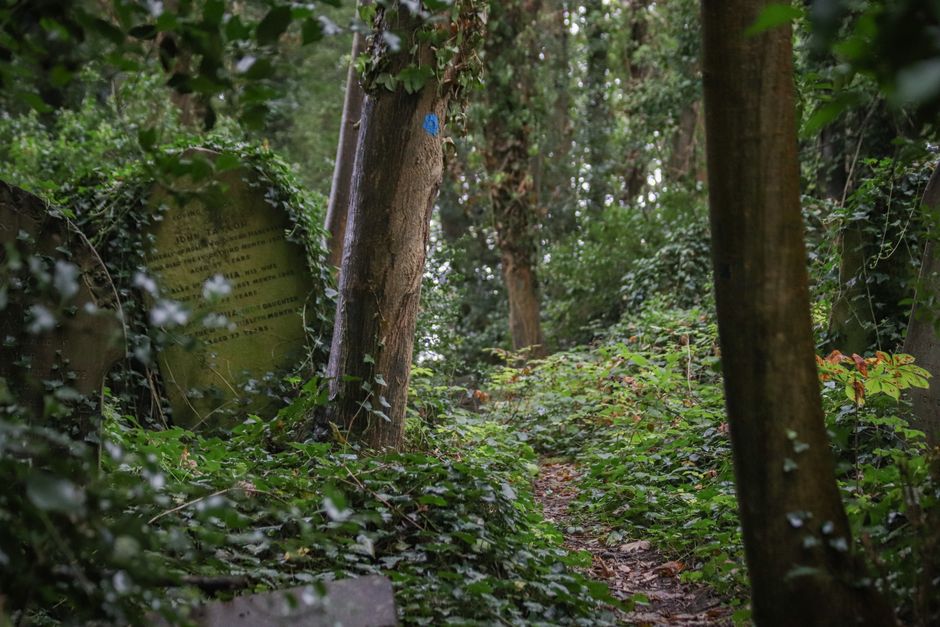
Highgate gardeners near Highgate Cemetery restoration: a practical guide to sensitive, local garden care
If you are looking for Highgate gardeners near Highgate Cemetery restoration, you are probably after more than a quick tidy-up. You want careful, respectful work that suits a distinctive part of North London, where mature planting, old stonework, narrow access, and historic surroundings all change the way a garden should be handled. Truth be told, the wrong approach can make a space feel harsh or unmanaged very quickly.
This guide explains how restoration-minded gardening works in Highgate, what to expect from a good local team, and how to decide which services are worth prioritising first. We will look at the practical side too: clearance, pruning, lawn recovery, border repair, safer tree work, and the small details that help a garden feel settled again rather than simply stripped back.
If you want a broader view of what a local team can handle, the services overview is a sensible place to start. And if your garden needs ongoing attention after the restoration phase, garden maintenance usually becomes the difference between "looking better for a week" and actually staying in good shape.
Why Highgate gardeners near Highgate Cemetery restoration matters
Gardens near Highgate Cemetery tend to carry a particular feel. Some are tucked behind period homes, some are semi-shaded by tall trees, and many have planting that has slowly got away from people over time. Restoration here is not just about appearance. It is about bringing order back without making the space lose its character.
A restoration-minded gardener understands the tension between control and gentleness. Over-pruning can make a border feel barren. Over-clearing can expose soil, roots, and hard edges that were never meant to be seen. On the other hand, leaving everything untouched often means brambles, collapsed shrubs, mossy paths, clogged gutters near outbuildings, and plants competing in a way that weakens the whole garden.
That balance matters even more close to historic landmarks or conservation-sensitive areas. You are dealing with surroundings where visual harmony counts. A tidy lawn is good, yes, but the real goal is a garden that belongs to its setting. Not flashy. Not over-designed. Just settled, healthy, and respectful of the place.
Expert summary: The best restoration work near Highgate Cemetery is careful rather than aggressive. It starts with what should be preserved, not with what can be removed.
For many properties, the first stage is not planting at all. It is removal, sorting, and recovery. That is why services like garden clearance are often the starting point before anything else can happen. Once the site can actually be seen, the proper decisions become much easier.
How Highgate gardeners near Highgate Cemetery restoration works
Good restoration work usually follows a calm, structured process. You would think it begins with tools, but it really begins with observation. A gardener needs to walk the space, notice drainage issues, identify what is alive, what is stressed, and what is simply taking over. It sounds obvious, but plenty of poor jobs skip that stage and then the whole place ends up looking a bit hacked about.
In practical terms, the process often includes these stages:
- Assessment - checking boundaries, access, plant condition, areas of shade, and the level of overgrowth.
- Prioritising safety - dealing with unstable branches, hidden debris, slippery paths, or awkward access points first.
- Clearance and reduction - removing dead material, cutting back invasive growth, and opening up key areas.
- Recovery work - pruning shrubs, re-edging beds, improving lawn structure, and reshaping the planting.
- Maintenance planning - setting a realistic follow-up schedule so the garden does not slide back immediately.
The best teams do not try to make every garden look the same. A small courtyard needs a different rhythm from a long back garden with mature trees, and a shaded plot near old masonry behaves differently again. You will notice that the stronger the local knowledge, the less "one-size-fits-all" the work feels.
Depending on the site, restoration may also involve specialist tasks such as hedge trimming, lawn mowing, or even tree lopping and removal where a tree has become unsafe, outgrown its position, or is clearly competing with the rest of the garden. That said, tree work should be approached carefully and only where it is genuinely justified. No drama, just judgement.
Key benefits and practical advantages
People often think restoration is mainly cosmetic. It is more useful than that. A well-handled restoration can improve the feel of the entire property, make ongoing care simpler, and reduce the chance of expensive problems creeping in later.
- Better structure: Clear lines, defined beds, and manageable growth make the garden easier to live with.
- Healthier planting: Removing dead wood and overcrowded growth gives stronger plants more room and light.
- Safer movement: Clear paths, tidier edges, and reduced trip hazards matter a lot in compact urban gardens.
- More usable outdoor space: Even a small Highgate garden can feel bigger once it is properly opened up.
- Reduced long-term cost: Keeping on top of growth usually costs less than rescuing a garden every few years.
There is also a quieter benefit people sometimes overlook: peace of mind. When a garden looks neglected, you carry it in the back of your mind. Every time you glance outside, there it is. When it is restored properly, the whole place feels lighter. That sounds a little sentimental, maybe, but it is true.
If the restoration includes hard landscaping features, such as edging, paving adjustments, or a small seating area, you may also want to consider landscaping or, for more structural changes, landscape gardening. These are especially useful where a garden has lost its shape and needs more than simple cutting back.
Who this is for and when it makes sense
This kind of work suits a wide range of property owners and managers. Some people are dealing with a garden that has got away from them over one season. Others have inherited an older garden that has not been professionally maintained for years. And some just want a high-quality reset before they commit to regular care.
It tends to make sense if you are:
- moving into a property and want a clean start
- preparing a garden for family use, guests, or resale
- managing a shaded garden that grows unevenly and quickly
- dealing with dense hedges, self-seeded growth, or accumulated waste
- trying to protect the look of a historic or character property
- looking after a garden near sensitive or high-visibility surroundings
It also makes sense if you have tried to keep on top of things yourself but have reached that point where the job has become too big for a weekend. Let's face it, most people can mow a lawn or deadhead a few beds. But a full restoration can turn into a small project very quickly.
If your main issue is simply that the garden is cluttered and hard to manage, start with garden clearance. If the problem is ongoing upkeep rather than a one-off recovery, a regular maintenance schedule will usually give better value over time.
Step-by-step guidance
Here is a sensible way to approach a restoration project without overcomplicating it.
- Walk the garden slowly. Notice what is overgrown, what is broken, and what still has good structure. Take photos if useful. A quick walk at dusk can reveal problem areas you missed earlier.
- Decide what must stay. Mature shrubs, established climbers, and healthy trees often give a garden its identity. Don't rush to remove them just because they look messy.
- Clear access first. Paths, gates, side return areas, and access to sheds or bins should be made safe early on.
- Remove dead and obstructive growth. Focus on dead wood, invasive runners, collapsed stems, and anything crowding the space.
- Shape rather than flatten. Good pruning should reveal structure, not erase it.
- Re-establish the lawn and borders. Scarify, mow, edge, re-cut borders, and top up soil where needed.
- Check water flow and drainage. Waterlogged corners, blocked gullies, or compacted soil can undo the rest of the work.
- Build a follow-up plan. Without aftercare, many restoration jobs drift back sooner than expected.
A sensible order matters because it keeps the work controlled. You do not want to trim hedges before you know what is hidden beneath them. Nor do you want to start planting before the ground has been sorted. That is how expensive redo jobs happen. And nobody wants that.
For more complicated plots, the work may be split over more than one visit. A first visit handles the heavy lifting, a second visit handles shaping and refinement, and a third visit may be where the garden finally starts to look intentional again. By the way, this is normal. It is not a sign that things are going wrong.
Expert tips for better results
Small choices make a big difference in restoration work. In our experience, the gardens that age best are the ones where restraint and consistency win out over sudden, dramatic change.
- Prune with a purpose. Cut to improve health, airflow, shape, or access. If there is no clear reason, pause.
- Keep sightlines soft. In a Highgate setting, the goal is often to open a space without making it feel exposed.
- Respect the shade. Near walls, mature trees, and older buildings, choose plants and maintenance methods suited to lower light.
- Work from the perimeter inward. That helps you avoid damaging central beds before you understand the whole layout.
- Use seasonal timing well. Some tasks are best left for dormant periods, while others are better done when growth is active.
- Plan for ongoing rhythm. A garden usually stays better when it has a repeatable routine rather than emergency fixes.
One practical example: if a hedge is acting like a wall and swallowing the rest of the planting, a good trim can suddenly make the whole garden breathe again. A few metres of space can feel like twice that once the light gets in. It is a small thing, but you feel it immediately.
It also helps to ask whether a task should be restorative or structural. Restoration is about reviving what is already there. Structural work is about changing the layout or use of the space. Confusing the two can lead to work that looks neat but does not actually solve the underlying problem.
Common mistakes to avoid
Most garden restoration mistakes come from overconfidence or impatience. The work looks straightforward from the patio door, then suddenly you are knee-deep in a tangle of roots, branches, and mystery debris. It happens.
- Cutting back too much too fast. Hard reduction can shock shrubs and remove the garden's shape.
- Ignoring root problems. If a bed is compacted or poor in nutrients, surface tidying alone will not help for long.
- Leaving waste on site. Piles of cuttings can block light, attract pests, and make the space feel unfinished.
- Using the wrong mower or blade settings. This can damage stressed turf, especially on uneven ground.
- Forgetting access and safety. Narrow passageways, steep steps, and hidden objects create avoidable risk.
- Skipping follow-up care. A one-off rescue job is useful, but without maintenance it often regresses quickly.
Another easy trap is treating every plant as replaceable. Sometimes the smallest old shrub or the slightly awkward tree is the thing that gives the garden its sense of age and place. Remove too much, and the space can become bland very quickly. Slightly embarrassing, but it happens more than people admit.
If the plot includes heavier waste, accumulated branches, broken planters, or general clutter, a proper clearance service can save a lot of time and reduce the chance of accidents during later stages.
Tools, resources and recommendations
For most restoration projects, the right tools are not especially exotic. What matters is whether they are being used carefully and in the right order.
| Task | Useful tools or approach | What to watch for |
|---|---|---|
| Initial clearance | Rakes, loppers, sacks, wheelbarrows, hand tools | Hidden debris, thorns, glass, and awkward access |
| Hedge and shrub shaping | Hand pruners, hedge trimmers, saws | Over-cutting, nesting birds, poor recovery timing |
| Lawn recovery | Mower, edging tools, scarifier, seed, top dressing | Compacted soil, patchy shade, uneven surfaces |
| Tree work | Specialist pruning or removal equipment | Safety, species sensitivity, proximity to buildings |
| Long-term upkeep | Regular schedule, seasonal tasks, inspection notes | Growth spikes after rain or mild weather |
For local homeowners who want a single point of contact, it is worth checking the provider's approach to service scope, aftercare, and communication. A good sign is when they can explain what they will do, what they will not do, and why. That kind of clarity saves stress later.
You may also want to review practical pages like pricing and quotes if you are comparing options, or about us if you want to understand the team before booking. A little due diligence never hurts.
Law, compliance, standards and best practice
Garden restoration in London is usually straightforward, but it still sits within a framework of normal care, access, waste handling, and safety. You do not need to be a legal expert to benefit from a cautious approach. The basics matter: protect people, respect neighbouring properties, and avoid unnecessary damage.
For example, tree work should be handled conservatively where possible, especially if the tree is healthy and part of the character of the property. If a tree is unsafe or causing genuine problems, it may need reduction or removal, but that decision should be considered carefully. The same goes for protected features, shared boundaries, and historic-looking stone or ironwork nearby.
Best practice also includes safe tool use, sensible lifting, clear waste movement, and appropriate insurance. If a provider is working on your property, you should feel comfortable asking about safety arrangements. A professional team will not find that odd. In fact, they should expect it.
Where sustainability is concerned, it is reasonable to ask how green waste is handled, whether reusable materials are salvaged where sensible, and how disposal is approached. If this matters to you, recycling and sustainability is worth reviewing. It is one of those boring-but-important topics that actually says a lot about how a company works.
You can also check health and safety policy and insurance and safety information if you want more confidence before any work begins. Nothing flashy, just reassuring. And honestly, reassuring is good.
Options, methods and comparison table
Not every garden needs the same type of intervention. Sometimes a quick tidy is enough. Sometimes the whole space needs a deeper reset. Choosing the right level of work is one of the most important decisions you will make.
| Approach | Best for | Pros | Trade-offs |
|---|---|---|---|
| Simple tidy-up | Light overgrowth, seasonal maintenance | Fast, affordable, low disruption | Won't solve deeper structural issues |
| Targeted restoration | Mixed condition gardens with clear problem areas | Balanced, efficient, more noticeable improvement | Needs a good plan and clear priorities |
| Full garden restoration | Severely overgrown or long-neglected spaces | Major transformation, better long-term usability | More time, more waste, sometimes several visits |
| Restoration plus landscaping | Gardens needing layout changes or hardscape work | Most comprehensive improvement | Usually more planning and a bigger budget |
If you are unsure which route fits, start with the least dramatic option that can realistically solve the problem. That sounds cautious because it is. But cautious is often the right call with mature gardens, especially near distinctive places like Highgate Cemetery where the setting itself deserves respect.
Case study or real-world example
Here is a realistic example, without dressing it up too much. A homeowner in Highgate had a rear garden that looked fine from the kitchen window at first glance, but the middle section had become crowded with self-seeded growth, the hedge line was leaning into the path, and the lawn had turned patchy under the shade. The space felt smaller every month.
The work started with clearance and a proper walk-through. Dead stems were removed, the path was opened, and the hedge was reduced carefully rather than aggressively. The lawn was cut back to a healthier level, edged more clearly, and patches were identified for later recovery. Some planting stayed exactly where it was because, despite the mess, it still gave the garden its structure.
By the end, the garden did not look brand new. That was the point. It looked recovered. There is a subtle but important difference. It felt more breathable, easier to use, and much simpler to maintain the following month.
That kind of result is common when the brief is sensible and the team respects the garden's age and context. In a place like Highgate, a decent restoration should feel like the space has come back into itself rather than been redesigned by committee.
Practical checklist
Use this checklist before booking or starting work. A few minutes of planning can save a lot of back-and-forth later.
- Identify the main issue: overgrowth, clutter, poor lawn condition, unsafe trees, or general neglect.
- Decide what must be preserved, including mature shrubs, climbers, and useful hard features.
- Check for narrow access, side passages, steps, and waste removal constraints.
- List any areas that are especially shaded, wet, or fragile.
- Note whether you need one-off restoration or ongoing maintenance after the initial work.
- Ask what happens to green waste and whether recycling is part of the service.
- Confirm that the work plan covers safety, insurance, and responsible tool use.
- Discuss timing if birds, blossom, or seasonal growth patterns matter.
- Agree the priorities before cutting begins. Seriously, this helps.
- Plan a follow-up visit or schedule so the garden does not relapse.
Quick takeaway: the best restoration jobs are not the most dramatic ones. They are the ones that restore balance, protect good structure, and leave the garden easier to live with next week, next month, and next season.
For anyone comparing providers, it is worth looking at the team's broader approach to service delivery and customer care. Pages such as services overview and contact us can help you understand how they work and how quickly you can get things moving. If you are ready to start, that first conversation is often the turning point.
Get a free quote today and see how much you can save.
Conclusion
Highgate gardeners near Highgate Cemetery restoration is really about care, judgement, and respect for place. A good restoration does not shout. It settles the garden, improves its health, and makes the space feel like it belongs again. That is especially important in an area where older gardens, mature planting, and historic surroundings all ask for a lighter touch.
If you take only one thing from this guide, let it be this: start with the garden's structure, not its clutter. Preserve what gives the space character. Remove what is in the way. Then build a routine that keeps the progress in place. Simple enough, though not always easy. But when it works, you notice it every time you open the back door.
And on a damp Highgate morning, with the air a bit cool and the stonework still holding last night's moisture, that calm, restored view is worth a great deal.
Frequently Asked Questions
What do Highgate gardeners near Highgate Cemetery restoration services usually include?
They usually include clearance, pruning, hedge work, lawn recovery, border reshaping, waste removal, and sometimes longer-term maintenance. The exact scope depends on the condition of the garden and how much of the original structure is still worth keeping.
Is restoration different from regular garden maintenance?
Yes. Maintenance keeps a garden in good condition, while restoration is about recovering a space that has become overgrown, neglected, or badly unbalanced. Restoration tends to be more intensive at the start.
How do I know if my garden needs a full restoration or just a tidy-up?
If the main issues are light overgrowth and a few messy areas, a tidy-up may be enough. If paths are blocked, plants are collapsing into one another, or the garden has lost its shape, restoration is usually the better route.
Can gardeners work carefully around historic surroundings near Highgate Cemetery?
They should. Careful work is essential in distinctive or historic-looking areas. The aim is to improve the garden without making it feel stripped, harsh, or out of place.
What should be cleared first in an overgrown garden?
Start with access routes, hazards, and dead material. Once the space is safe and visible, it becomes much easier to decide what should be pruned, retained, or removed.
Will heavy pruning damage mature shrubs or hedges?
It can, if it is done without judgement. Good pruning is targeted and timed appropriately. Mature plants often need shaping rather than severe cutting, especially if they are an important part of the garden's character.
How often should a restored garden be maintained afterwards?
That depends on the planting and how quickly the space grows, but a regular maintenance rhythm is usually best. Many gardens stay in far better shape when small tasks are done consistently rather than waiting for another major rescue job.
Is tree work always part of restoration?
No. Tree work is only needed when a tree is unsafe, unsuitable, or clearly affecting the rest of the garden. It should be considered carefully and not used as a default solution.
What happens to the waste after clearance and pruning?
That depends on the service provider, but responsible handling of green waste should be part of the plan. If recycling and disposal matter to you, ask how it is managed before the work begins.
Are landscaping changes worth considering during restoration?
Sometimes yes. If the garden layout itself is part of the problem, small landscaping changes can make the space much easier to use and maintain. If the structure is still sound, though, restoration alone may be enough.
How can I keep costs under control?
Be clear about priorities, preserve what already works, and choose the least disruptive solution that solves the real problem. It also helps to ask for a clear quote and avoid adding unnecessary work at the same time.
What should I ask a gardener before booking restoration work?
Ask what is included, how they approach safety, how they handle waste, whether they offer follow-up maintenance, and how they would prioritise your garden. A good provider should be able to explain the plan in plain English, without sounding vague.